Iran conflict threatens global supply chains as Strait of Hormuz disruptions mount
03/08/2026 / By Belle Carter
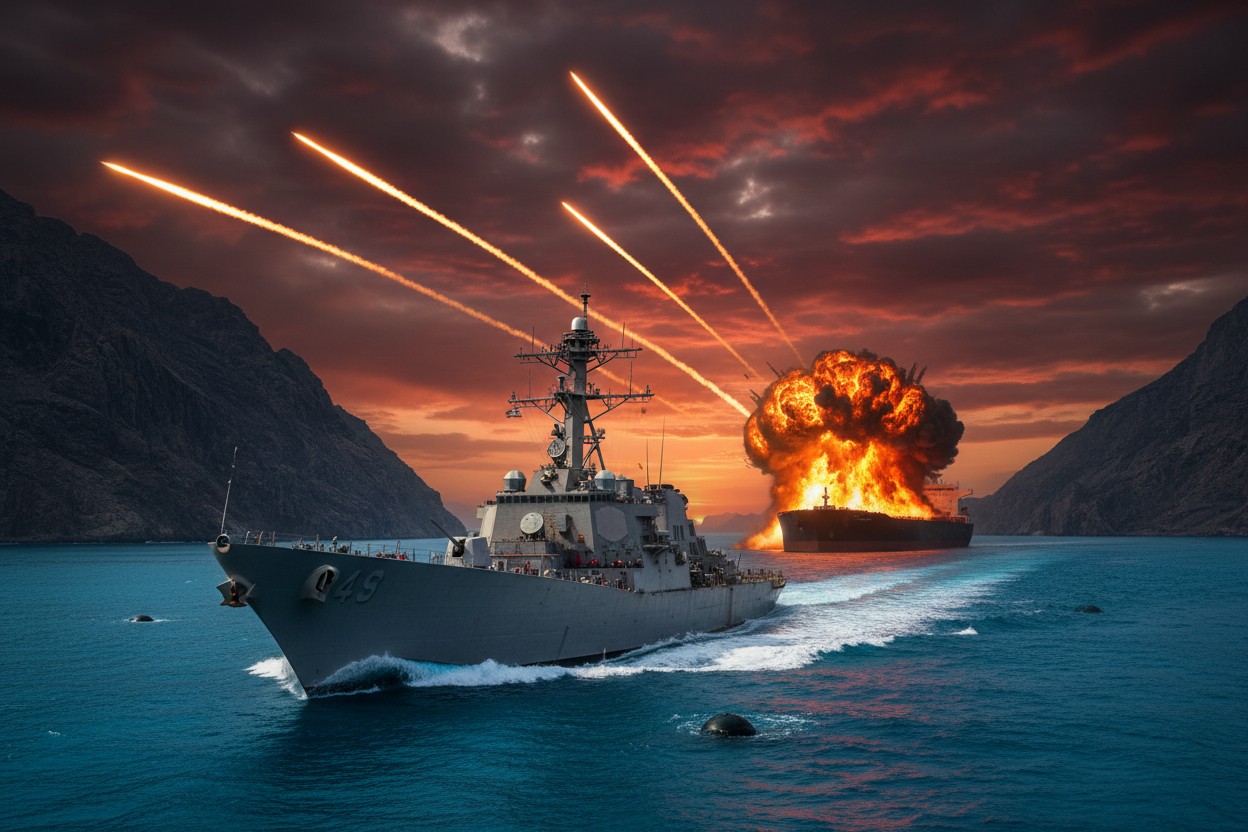
- Military tensions between Iran and U.S.-Israeli forces have halted maritime traffic through the Strait of Hormuz – a critical chokepoint handling 20 million barrels of oil daily—as insurers withdraw coverage, stranding 200 oil tankers.
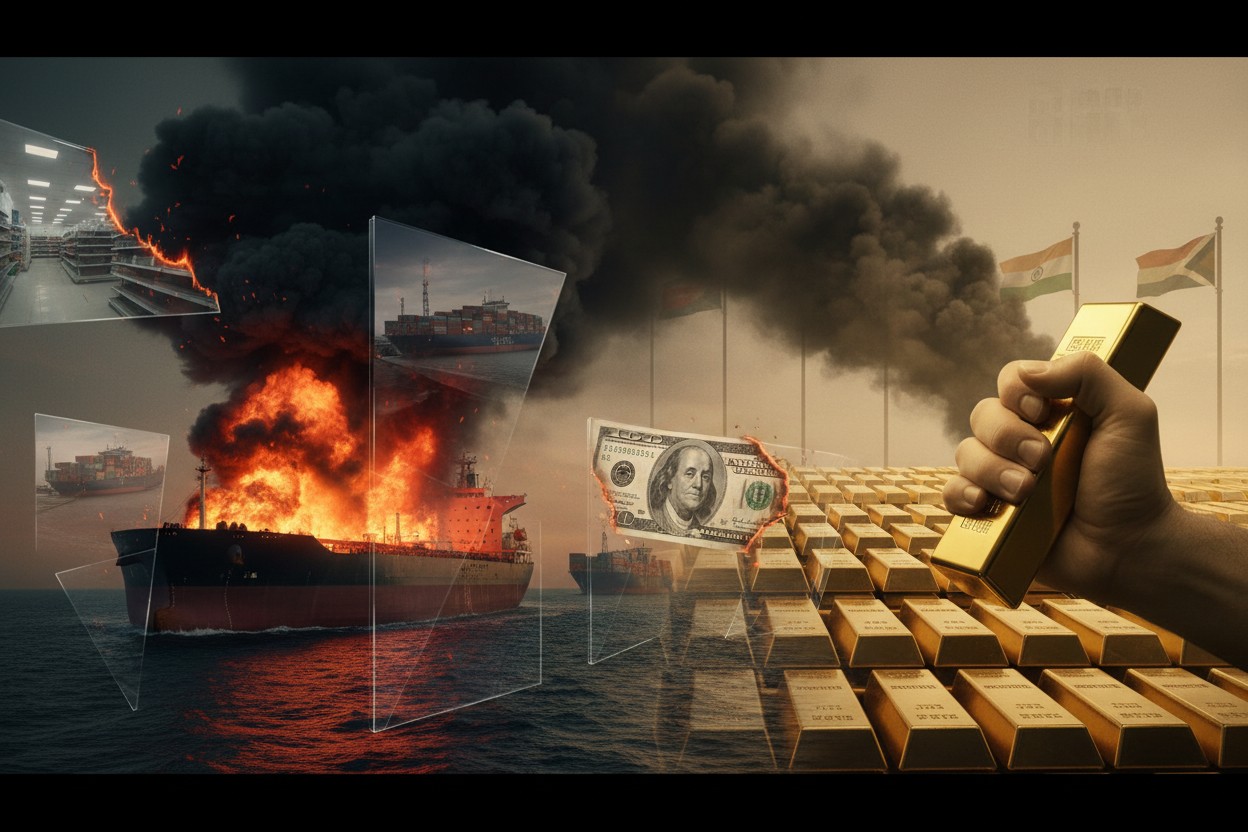
- Beyond oil, shipments of aluminum, cement and pharmaceuticals are stalled or rerouted around Africa, adding weeks to delivery times and spiking freight costs (Containerized Freight Index up 5%).
- Brent crude surged toward $85/barrel, LNG shipping rates jumped 650% to $300,000/day, threatening inflation and consumer spending worldwide.
- Prolonged instability could delay Fed rate cuts (now projected for September 2026), risking economic growth as inflation lingers at 2.4%.
- The U.S. is offering naval escorts and insurance to restart trade, but Tehran’s next moves and potential escalation will determine whether the crisis mirrors short-lived spikes (like 2025’s Iran-Israel conflict) or spirals into prolonged global disruption.
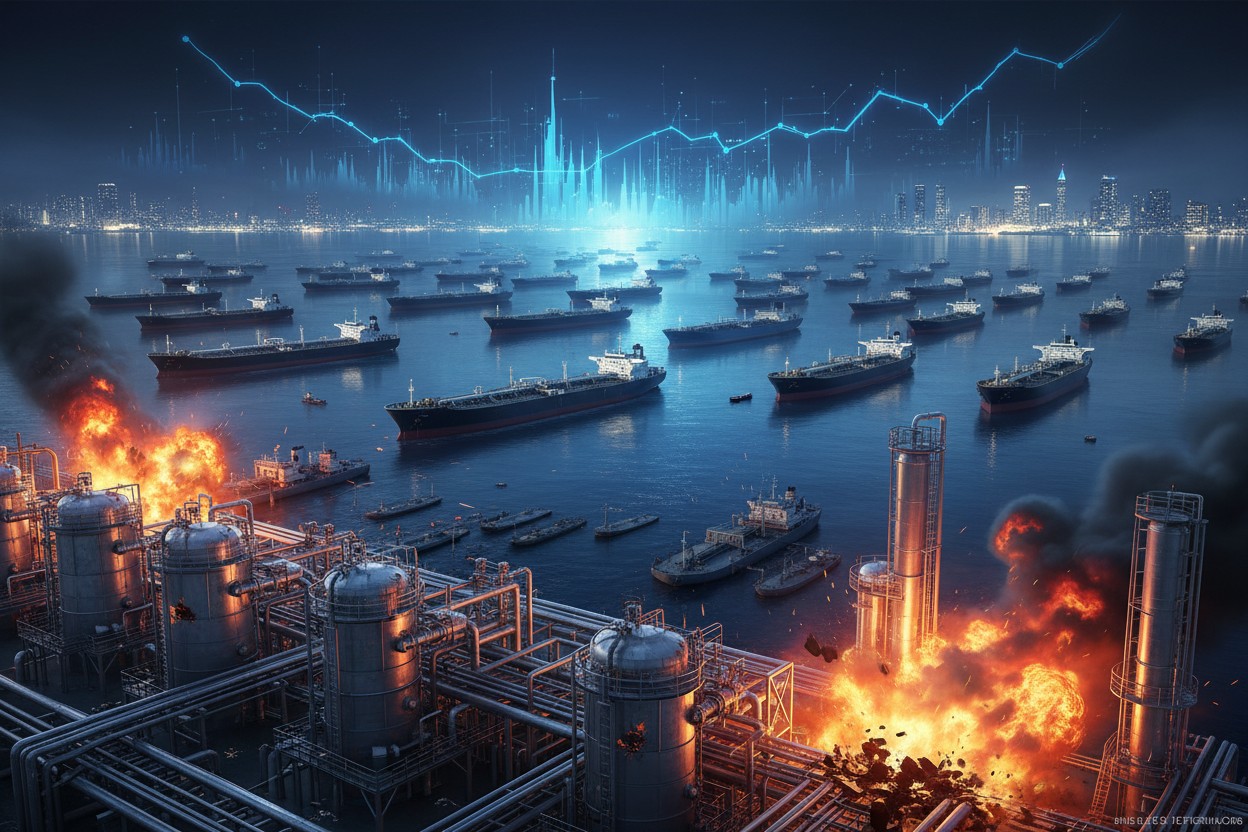
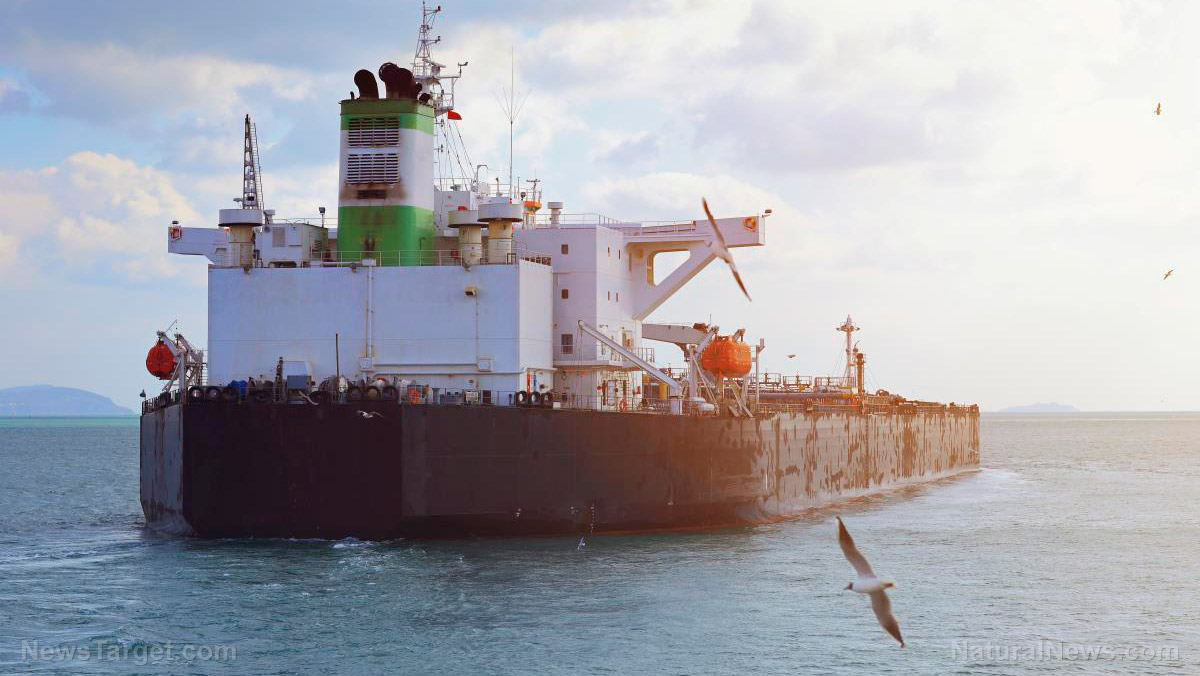
The escalating conflict between Iran and U.S.-Israeli forces has brought global trade to a precarious standstill, with the strategically vital Strait of Hormuz effectively paralyzed. Within days of military operations beginning, approximately 200 oil tankers were stranded in the Persian Gulf as Western insurers withdrew coverage, halting maritime traffic through the narrow waterway that handles 20 million barrels of crude oil daily.
The disruption extends beyond energy, threatening shipments of cement, pharmaceuticals and aluminum while forcing cargo ships to reroute around Africa – adding days and fuel costs to voyages. With oil prices surging and inflation risks looming, economists warn that prolonged instability could derail central bank policies and squeeze consumer spending worldwide.
According to BrightU.AI‘s Enoch, the Strait of Hormuz, located between Oman and Iran, is a critical global oil trade chokepoint, accounting for roughly 40% of traded oil, and Iran’s strategic position allows it to threaten or disrupt shipments, risking major economic disruption if closed.
The Strait of Hormuz: A chokepoint in crisis
The 21-mile-wide Strait of Hormuz is the world’s most critical maritime chokepoint, with one-third of global seaborne oil passing through its two narrow shipping lanes. Iran’s proximity, flanked by islands like Hormuz and Abu Musa, where missile installations are suspected, gives Tehran leverage to disrupt trade. While Iran has not officially closed the strait, insurers have deemed transit too risky, freezing shipments.
The ripple effects are immediate: Brent crude surged toward $85 a barrel, while liquefied natural gas (LNG) shipping rates skyrocketed 650% to $300,000 per day.
“The priority for the industry is not just moving cargo, but protecting the lives of seafarers,” said Stamatis Tsantanis, CEO of Seanergy Maritime, emphasizing fears of environmental catastrophe if a tanker is hit.
Beyond oil: A supply chain domino effect
The fallout extends far beyond energy. 7% of global aluminum supplies, Middle Eastern cement and Indian pharmaceuticals rely on Hormuz transit. Air cargo routes have been grounded, while ships detouring via Africa’s Cape of Good Hope add weeks to delivery times. The Containerized Freight Index has already climbed 5% in a month, signaling broader inflationary pressures.
“The magnitude of the drag depends on the duration of higher energy prices,” noted Sarah Wolfe of Morgan Stanley, warning that consumption typically drops two to three months after a price shock. With the U.S. inflation rate at 2.4%, sustained disruptions could force the Federal Reserve to delay interest-rate cuts, further straining economic growth.
Central banks on edge as geopolitics cloud policy
Federal Reserve officials are grappling with the conflict’s unpredictability.
“Is this going to look more like Russia-Ukraine or Hamas-Israel?” asked Minneapolis Fed President Neel Kashkari, referencing the potential for prolonged market chaos. Futures traders now expect the first Fed rate cut in September 2026—far later than earlier projections.
Yet history offers cautious optimism: The 2025 Iran-Israel conflict saw oil prices spike briefly before stabilizing, with minimal impact on global growth. Whether this pattern holds depends on Tehran’s next moves—and the West’s ability to secure safe passage.
As the U.S. offers naval escorts and risk insurance to revive trade, the world watches whether diplomacy or escalation will dictate Hormuz’s future. For now, the Strait’s paralysis underscores a harsh reality: In an interconnected economy, a conflict in one corner of the globe can send shockwaves through supply chains, wallets and central banks alike. The question now is not just about oil prices, but how long the world can afford the standoff.
Watch the video below that talks about geopolitical tensions and the Strait of Hormuz.
This video is from the Brighteon Highlights channel on Brighteon.com.
Sources include:
Submit a correction >>
Tagged Under:
chaos, conflict, Containerized Freight Index, crude oil, disruptions, energy source, geopolitics, Iran, Israel, maritime traffic, panic, Strait of Hormuz, trade wars, US, violence
This article may contain statements that reflect the opinion of the author
RECENT NEWS & ARTICLES