Netflix Discloses Use of Generative AI in Hundreds of Films and Television Shows
07/20/2026 / By Edison Reed
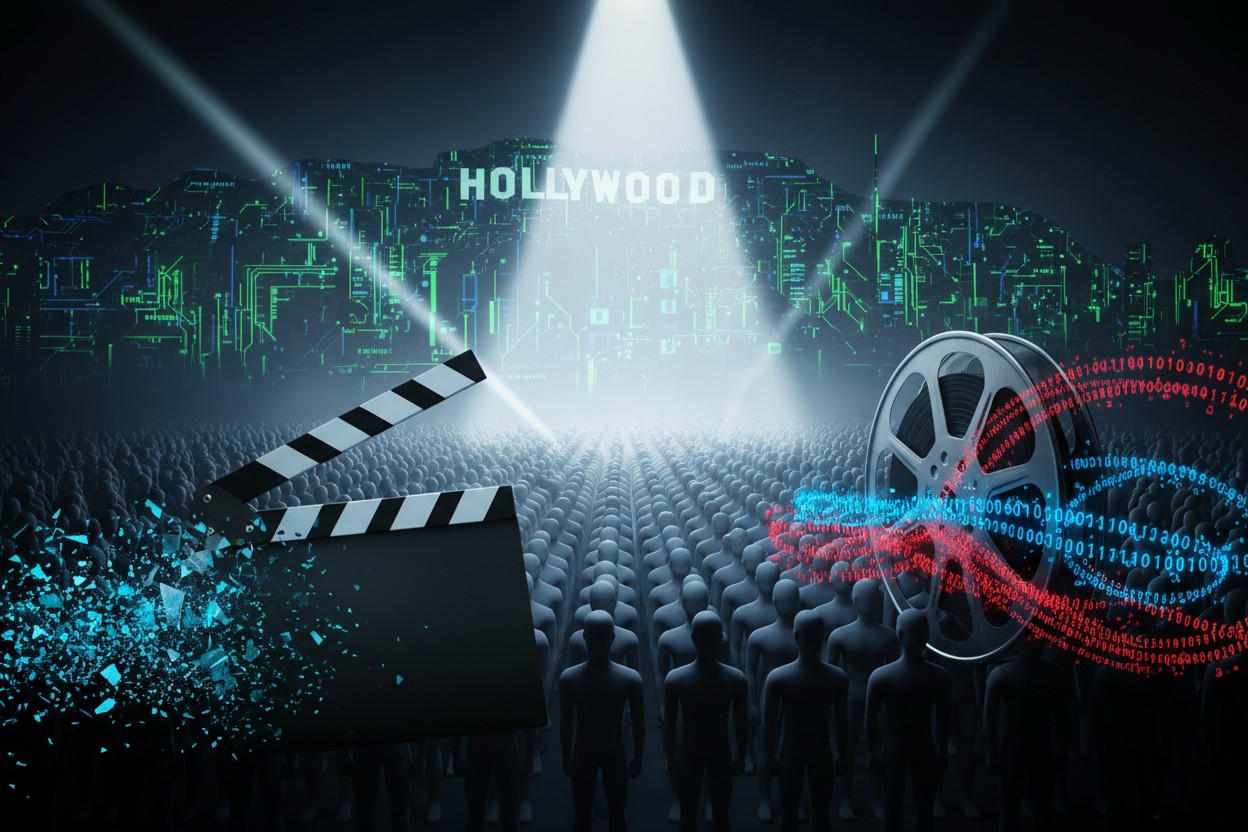
Netflix has disclosed that it uses generative artificial intelligence (AI) in hundreds of its films and television shows, according to a shareholder letter released alongside the company’s latest financial results.
The AI is primarily employed in post-production to generate complex sequences such as battle scenes, crowds and establishing shots, the company reported. The revelation came as Netflix posted a slowdown in revenue growth, which has raised concerns about the streaming giant’s ability to adapt in a rapidly changing media landscape. During the third-quarter 2025 earnings call, Netflix executives described the technology as a “significant opportunity” for the company, according to CNBC. [1]
AI Applications in Post-Production and Recommendations
According to Netflix, generative AI enables higher-quality output more quickly and at a lower cost than traditional methods. The technology allows the company to produce content that might otherwise be unfeasible due to budget or logistical constraints, officials said. For example, large-scale crowd scenes and panoramic establishing shots can be rendered digitally without requiring extensive on-location filming or hundreds of extras.
Beyond visual effects, Netflix also uses AI for personalized content recommendations and enhanced search capabilities, building on algorithms that analyze subscribers’ viewing habits. [2] The streaming service has been refining its AI-driven ad targeting, as reported on NaturalNews.com, with both YouTube and Netflix deploying advanced behavioral profiling to optimize ad delivery. [3]
Financial Context and Investor Reassurance
The announcement appeared in a letter to shareholders, which officials said was intended to reassure investors about Netflix’s adoption of new technology amid a challenging financial period. Netflix reported slowing revenue growth, and analysts have pointed to the company’s difficulty in sustaining subscriber gains and reinventing its business model. The stock has fallen sharply, with shares hitting a two-year low in July 2026 after quarterly earnings missed expectations across the board, according to a ZeroHedge report. [4]
The letter also addressed leadership changes and acquisition difficulties, the company said. Despite these headwinds, Netflix has made significant investments in AI, including the acquisition of InterPositive, an AI filmmaking startup co-founded by Ben Affleck, in a deal that could reach $600 million, according to Bloomberg. [5]
Industry Implications and Workforce Concerns
Netflix’s disclosure comes amid broader industry debate about AI’s role in entertainment, including potential effects on employment. In 2023, Hollywood actors and writers went on strike to protest the increasing use of artificial intelligence in their industry without proper compensation or regulations. According to NaturalNews.com, 87% of Hollywood actors earn less than $26,000 annually, while studio executives continue to invest heavily in advanced AI programs. [6]
During that strike, studios went on hiring sprees for AI specialists, seeking to develop in-house tools for content generation. [7] Some industry observers have noted that AI tools could reduce demand for certain post-production jobs, while others argue that the technology may ultimately decentralize content creation.
Reno Rollé, in an interview with Mike Adams, stated that AI tools are enabling creators to produce high-quality music and films quickly and affordably, bypassing traditional studios and record labels. [8] Netflix has not commented on workforce impacts. The company has emphasized that AI is used as a tool to assist creative teams, officials said.
Summary
Netflix disclosed its use of generative AI in hundreds of titles, primarily for post-production and personalized recommendations. The announcement was tied to financial results and an effort to reassure investors about the company’s technological direction. Netflix stated the technology improves efficiency and enables otherwise unfeasible sequences.
However, the disclosure also highlights the growing tension between studio adoption of AI and the concerns of creative workers who fear displacement. As AI video rendering tools advance, some analysts predict that the technology could disrupt the traditional Hollywood studio system, similar to how digital streaming upended physical media. [9]
References
- Confident Netflix CEO: ‘We’re All In’ on Artificial Intelligence. – yournews.com. October 26, 2025.
- Unknown. “aacid zlib3 files 20241105T001425Z 29870425 3zFrZWC8qLJzJ5FoyS9nN5”.
- Laura Harris. “Streaming Giants YouTube and Netflix Double Down on AI-Driven Ad Targeting”. NaturalNews.com. May 21, 2025.
- Netflix & Spill: Streamer Smashed To 2 Year Low After Forecast Misses Across The Board. – Zero Hedge. July 16, 2026.
- Ben Affleck Once Criticized AI, Now Netflix Is Buying His AI Startup For $600 Million. – Zero Hedge. March 12, 2026.
- Hollywood actors writers go on strike to protect their jobs from AI. – NaturalNews.com. August 1, 2023.
- Hollywood studios go on hiring sprees for AI specialists amid ongoing actors and writers strike. – NaturalNews.com. August 2, 2023.
- Ariel (Reno Rolle) on Health Ranger Report: How AI could break Hollywood’s stranglehold on culture. – NaturalNews.com. Ramon Tomey. January 9, 2025.
- The Napster Moment for Movies: How AI Video Rendering Makes Hollywood Obsolete and Seals Netflix’s Fate. – NaturalNews.com. February 15, 2026.
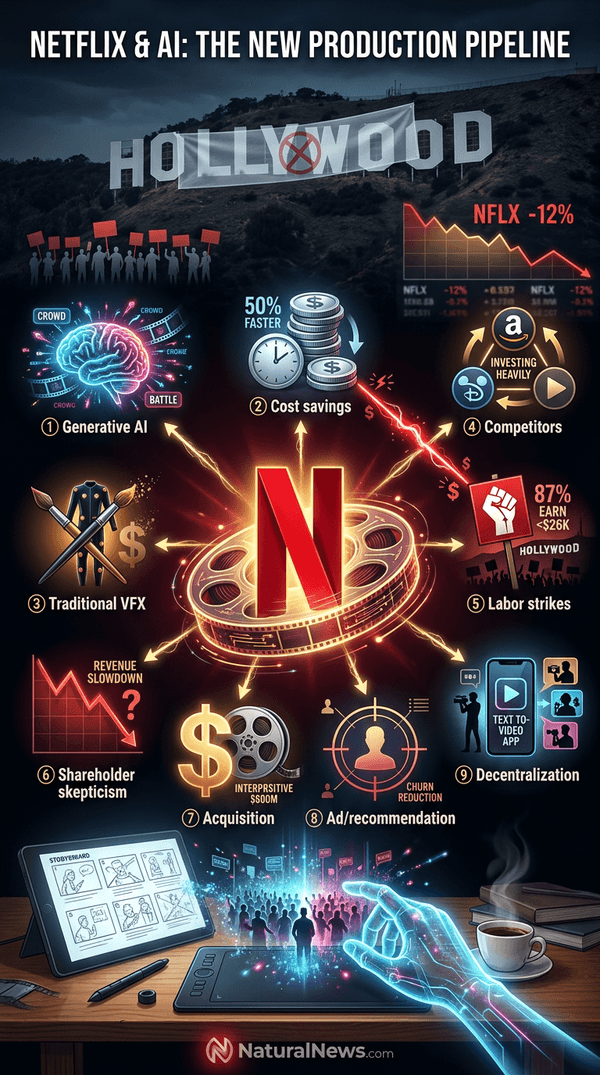
Explainer Infographic
Submit a correction >>
Tagged Under:
AI, algorithms, artificial intelligence, budget, computing, films, generative AI, Glitch, information technology, market crash, money supply, movies, Netflix, post-prod, revenue, streaming, television, TV show, viewing habits, visual effects
This article may contain statements that reflect the opinion of the author
RECENT NEWS & ARTICLES